Monday, May 25, 2015

Stuffed Peppers w/Squash & Black Beans


Summer is an ideal time for grilling outdoors and for spending quality time with family and friends. If any of your gatherings include a potluck, try to focus on the many in-season fruits and vegetables to make your dish(es) a hit. Some ideal candidates for grilling include bell peppers, asparagus, zucchini, and mushrooms. But spring and summer fun does not have to end with grilling. Try this stuffed pepper with squash and black beans recipe for your next get-together.

If you have leftover rice and cooked black beans on hand, this recipe can be made in just a few minutes. Or you can slice up the red peppers, add some shredded lettuce, and make a salad out of it.

What You Need:

1/2 cup cooked brown rice
1 cup cooked black beans
2 Mexican gray squash, or zucchini, diced
6 green onions, sliced
2 teaspoons pepitas (green pumpkin seeds)
2 cloves garlic, minced
1 tablespoon chopped fresh oregano
2 tablespoons apple cider vinegar
juice of 1 lime
1/4 teaspoon sea salt
1/2 teaspoon freshly ground black pepper
2 red bell peppers, tops cut off, cored, and seeded.
Optional: Salsa


What You Do:

Combine the rice, beans, squash, green onions, pepitas, garlic, oregano, vinegar, lime, salt, and pepper in a large bowl. Fill the peppers with the squash, rice, and bean mixture. Top with salsa, if using, and serve.

Serves 2 as a Main Dish or 4 as a Side Dish


Per serving: 187 calories, 16 g protein, 54 g carbohydrate, 13 g sugar, 3 g total fat, 14% calories from fat, 16 g fiber, 317 mg sodium.

Source: Power Foods for the Brain by Neal Barnard, M.D.


Saturday, May 23, 2015

Grilled Black Bean Burger


You can still eat plant-strong during outdoor grilling season, at gatherings with family & friends, or whenever you want an easy to make, healthy burger!  This zesty black bean burger is sure to fire up any celebration!!


What You Need:

·         1 16-ounce can black beans, drained & rinsed
·         2 carrots, finely diced
·         1 onion, chopped
·         3 cloves garlic, minced
·         1 Tbsp chili powder
·         1 Tbsp cumin
·         1 tsp hot sauce
·         1 tsp cinnamon
·         2 Tbsp olive oil
·         1 c bread crumbs

Toasted whole grain burger buns (4)

Optional:  Sea Salt & Black Pepper


What You Do:

Pre-heat grill, or fire up charcoal, or heat a grill pan over medium-low heat.

In a food processor, pulse onion and garlic until finely chopped. Add black beans, carrots, onion, garlic, chili powder, cumin, hot sauce, cinnamon, olive oil and pulse to combine.

Transfer mixture to a large mixing bowl, add the bread crumbs. Season with salt and pepper, to taste, and mix until well combined.

Divide mixture into 4 portions and form into patties. Place on hot oiled grill over medium-low heat and cook about 7 minutes a side or until heated through. Toast hamburger buns on a grill. Place a burger on the bottom of each bun. Top with lettuce, tomato, and your choice of condiments.  Cover the burgers with the top of the bun and serve.    


Makes 4 Patties  


Optional Toppings:  

Sliced Tomato
Romaine lettuce leaves, or any other type you have on hand
Sliced Onion
Sauteed Mushrooms
Avocado
Ketchup
Brown Mustard
Vegan Mayo


*   *   *   *   *   *   *   *

Raven is a Holistic Wellness Consultant and Life / Spiritual Coach specializing in spiritual & energy healing, whole food plant-based nutrition, as well as healthy, wholesome, natural lifestyle information, products, resources, recipes, organic & Earth-friendly advice, and lots of "how to" fun stuff to make natural living a worthwhile journey for you and your pets! 


Friday, May 15, 2015

Young Living Seed-To-Seal Update


From acres of sweet lavender in Utah to rows of fragrant eucalyptus trees in Ecuador, our global farms are emblematic of the purity and quality of everything we do.


Visit the brand-new SeedtoSeal.com for a brand-new, immersive Seed to Seal experience where you can learn about our farms, our production process, why quality matters, and much more. Discover Seed to Seal for yourself.


Following is an update on some of Young Living's Farms around the world:


Mona Lavender Farm Utah, U.S.


The largest herb farm and distillery in the world, our lavender farm in Mona, Utah, features nearly 1,400 acres of fragrant herbs and is open to visitors year round.

The farm continues distilling Juniper. Also, employees at the Mona farm have been busy preparing and planting for Spring.  As part of the greenhouse operations, Lavender seedlings are being transplanted to prepare the Lavender fields.


St. Maries Farm Idaho, U.S.


Previous to Young Living’s 1992 purchase of the land for the St. Maries farm, this area had never been exposed to chemicals, pesticides, and man-made fertilizers. This pristine condition makes the 200 acres of soil perfect for the cultivation of botanicals such as Melissa, Lavender, and Tansy.

During the Winter, the farm staff stayed busy supporting the Winter Harvest event at Highland Flats.

The fields at the St. Maries farm continue to be dormant and inaccessible due to mud and saturated ground conditions caused by rain. Work in the fields should resume within the next weeks, weather permitting.


Highland Flats Tree Farm Idaho, U.S.


The Highland Flats tree farm is located near the small Idaho town of Naples, less than 50 miles from the U.S. ~ Canada border. Since 2000, the 250-acre farm has hosted the annual Winter Harvest, where distributors join in harvesting blue spruce, balsam fir, red cedar, and pine trees. Each Spring, distributors also participate in the Spring Planting, an important reforestation project that replaces the harvested trees.

Highland Flats also played host for Winter Harvest through the end of February. Even while facing winter road restrictions, a record-breaking 2,800 liters of oils have been produced since November 2014.

Workers at the Highland Flats farm have started distilling blue spruce again, and the floral water recirculation system is also up and running. Workers from the St. Maries farm are in Highland Flats helping to plant balsam fir saplings, as well as shipping trees that will be planted on other farms.


Young Living Farm Guayaquil, Ecuador


Boasting nearly 2,000 lush acres of farmland, our Ecuador farm’s fertile ground and year-round growing season support an abundance of Palo Santo trees, several new high-oil-content plants, along with ample cultivation of Lemongrass, Ruta Graveolens, and many more local plants and herbs. This farm is also proving to be the perfect place to harvest oils that are in short supply throughout the world, such as Helichrysum, which is renowned for its restorative properties.

Employees at the Ecuador farm have been harvesting and distilling Ylang Ylang and Mastrante, planting Dorado Azul and Oregano, and distilling Ocotea and Palo Santo.


Northern Lights Aromatic Farm, British Columbia, Canada


As one of our newer farms, we are excited to announce that the distillery is ready to fire! An all-natural water conditioner that was engineered to accommodate the organic farm and distillery has also been installed. This farm was created in an effort to prevent future out-of-stock issues by distilling black spruce, which is a key ingredient in many of our oil blends.

UPDATE:  The boiler and distillery are up and running, already producing 650 liters of black spruce! Because of this farm, we will not have to worry about our future Valor quantities ever again. In addition to black spruce, the farm will also soon grow einkorn grain and blue yarrow.


By cultivating, harvesting, and distilling many of our essential oils on our very own farms, we have the unique ability to verify perfection at every step of our process. Combine this with our extensive laboratory testing and independent audits, and it’s no wonder that we routinely exceed our own industry-leading quality standards. Our commitment to quality doesn’t stop there, however. Inspired by the fields, forests, and jungles that surround our pristine farms, Gary Young is constantly discovering new botanicals and essential oils, helping us bring more of nature’s greatest gifts to people everywhere.

Get started on your own amazing essential oils journey here:

NaturalLivingEssentialOils.com


Monday, May 4, 2015

Essential Oils in the Ancient World ~ Part I


Essential oils are gaining worldwide recognition for their versatility, but their use is not necessarily new. The use of botanicals as healing agents is a long-standing practice throughout human history. In fact, essential oils and other botanicals have been used in wellness practices as early as 3500 B.C. That’s prehistoric!
This week, we're exploring the use* of essential oils in ancient Egypt, their increased exposure, and how Young Living’s Seed to Seal® process is the evolutionary pinnacle of thousands of years of essential oil production and use. First up, let’s explore a culture where some of the first recorded uses of essential oil precursors began: Egypt.

Ancient Oils in Ancient Egypt
The fertile soil around the Nile River became a source of life throughout Africa. The kingdom of Egypt grew around the delta of the Nile, and its name became synonymous with power, wealth, and technological advancement. 
Nile River
The abundance of food in Egypt, owed to the richness of the land, allowed for the development of a rich culture, which included some of the earliest advances in writing, agriculture, urbanization, and central government. In addition, this progressive culture was the perfect stage for innovation in herbal medicine.

One of the first recognized compilations by ancient healers is called the Ebers Papyrus. Although it dates from approximately 1500 B.C., it is believed to have been copied from earlier texts. The scroll contains recipes, ceremonies, and other information that Egyptians deemed worthy of preservation.
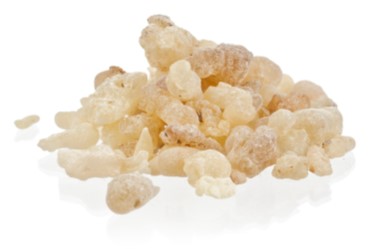
But, of course, the most famous Egyptian use of aromatic botanicals is in mummification. In preparing the bodies of the deceased for burial, embalmers used various botanicals such as cinnamon, resins such as frankincense and myrrh, and an early form of cedar or juniper essential oil.
Frankincense Resin - Young Living EOsWith such cutting-edge advances, Egypt’s international renown drew researchers from neighboring countries, leading to expanded use of botanicals in everyday life. Stay tuned for our next post, as we discuss how Egypt’s influence precipitated the spread of essential oil wisdom throughout the ancient world.

*Information regarding traditional use is for informational purposes only and is not based on modern science, nor should this information be construed as expected results from use.

Wednesday, April 22, 2015

Tips for Cooking with Young Living Essential Oils


As your essential oil collection increases, so does your know-how. You learn which oils are best to use in the morning. You curate a mental list of diffusion blends that change the mood in your home. And you know which essential oils help you find your Zen when added to bathwater. But did you know that many of our oils can be used in the kitchen? 
We’ve compiled some of our favorite tips for using essential oils in the kitchen. Add these delicious tips to your repertoire!

Breakfast
  1. Waffles: Add 1–4 drops of Orange essential oil to wet waffle mix.
  2. Oatmeal: Add 1 drop of Cinnamon Bark and 2 drops of Orange essential oil to a bowl of oatmeal or oat bran, and then sweeten with Blue Agave.
  3. Lemon with Berries: Add Lemon essential oil to berry protein shakes or to plain yogurt and top with berries.

Snacks
  1. Vegan Cream Cheese Spread: Put vegan cream cheese into a bowl and mix in Cinnamon Bark OR your choice of citrus essential oil to taste.
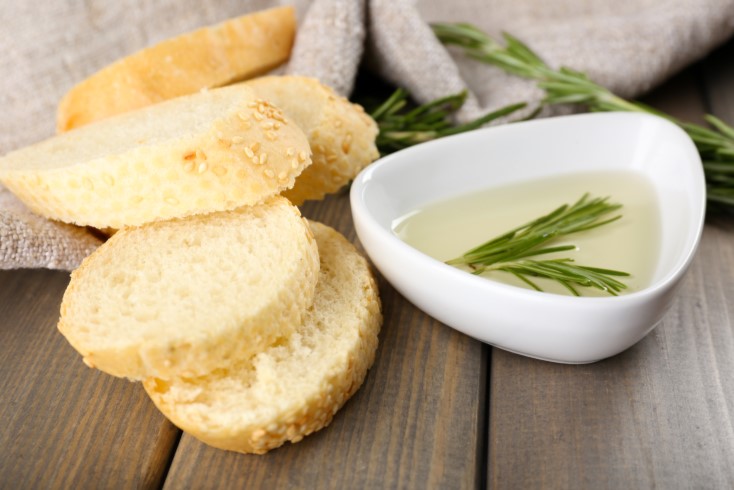
  2. Olive Oil: Add various culinary herb essential oils to your olive oil, such as Rosemary. Pour over a plate of balsamic vinegar and use focaccia bread for dipping.

Dinner
  1. Tomato Pasta Sauce: Add 2 drops of Basil essential oil and 1 drop each of Rosemary and Thyme essential oil to tomato sauce base.
  2. Olive Oil Dipping Sauce with Young Living Rosemary Essential OilPotato Salad: Add 1–2 drops of Dill essential oil to potato salad.
  3. Rice Pilaf: Add 4 drops of Lemon essential oil to water before adding rice.
  4. Salad and Fruit Rinse: Use 3 drops of Lemon essential oil in a bowl of water when rinsing lettuce, grapes, berries, and greens.
  5. Chick Pea Salad Sandwiches: Add 2 drops of Lemon essential oil per can of chick peas and mix with vegan mayonnaise, celery, sea salt and freshly ground pepper. Spoon onto whole grain bread and serve topped with alfalfa sprouts.

Beverages

  1. Hot Lemon Tea: In 1 cup of hot water, mix in 3 drops of Lemon essential oil and Blue Agave to taste.
  2. Horchata with a Twist: Add 1 drop of Cinnamon Bark essential oil to a tall glass filled with ice and vanilla rice milk.
  3. Vanilla Protein Shake: Add 2 drops of Lemon or Peppermint essential oil to any vanilla protein shake.
  4. Flavored Water: Add 1 drop of Peppermint essential oil to your gym water bottle.

Get started on your amazing essential oils journey by enrolling as a wholesale member:


Monday, April 13, 2015

Spring is in the Air with April Promos from Young Living!


Get These Spring Promos Through the End of April!


Thieves Spray, Lavender, Wintergreen - Young LivingCelebrate the end of winter and bring freshness back to your home with extra rewards on top of all the great Young Living products arriving in your April order!

Earn a free 5-ml Lavender essential oil, plus a Thieves®Spray 3-pack and 10 percent back in Essential Rewards points with your qualifying standard April order. With a qualifying Essential Rewards order of 190 PV or above, you’ll also earn a bonus 5-ml Wintergreen essential oil!
Click here for more information!

Make the most of these valuable rewards with these easy and fun DIYs:

Lavender Field - Young Living
Lavender Essential Oil
Beloved for its calming floral aroma, Lavender is one of the gentlest and most popular essential oils available.
  • Make a relaxing Lavender linen spray by adding 10 drops of Lavender per 1 cup water in a glass spray bottle. Spritz over sheets, blankets, and towels.
  • Freshen your laundry with a homemade dryer sheet. Place a few drops of Lavender on a damp washcloth and include it with laundry in your dryer.

Thieves Spray
A portable cleaning spray great for small surfaces, Thieves Spray can be put to work all over the house!
  • Keep your shoes smelling fresh with a quick spritz.
  • Quickly spray the sink, one of the dirtiest places in the house, after you finish doing dishes. No need to rinse!
  • Use Thieves Spray to easily clean frequently used areas such as doorknobs and light switches.

Wintergreen Berries - Young LivingWintergreen Essential Oil
The minty aroma of Wintergreen enlivens the senses and encourages feelings of creativity.
  • Add a minty aroma to a deodorizing hand scrub. Mix together 2 tablespoons coconut oil, 2 tablespoons fine sea salt, 1 teaspoon lemon juice, and 1 drop Wintergreen essential oil in a small glass bowl. To use, rub over hands, and then rinse clean under warm water.
  • Invite spring into your home! Open your shutters, let in the light, and diffuse Wintergreen essential oil. The fresh aroma will bring a feeling of renewal and beginnings, a reflection of the outdoors as nature renews herself after winter.

Get started on your amazing essential oils journey by becoming a Wholesale Member or Retail Customer today!  


Saturday, April 11, 2015

Top 10 Plant-Based Protein Sources


Where to Find Plant-Based Protein


If you’re considering or already follow a raw or plant-based diet, you’ve likely been asked “So, where do you get your protein?” at least a dozen or so times. Unfortunately, it’s one of the most commonly asked questions when someone mentions that they follow a plant-based diet. While protein IS important to our health, too many people are misinformed about how much protein we actually need, as well as the best kind of protein for our bodies.  Hint:  It's not animal protein.

Why do we need protein? All living cells use proteins (amino acids) for tissue growth and repair, and an array of other vital functions. Proteins are often referred to as “the building blocks” of life.


Why not animal protein? 

Cooked animal protein seems to be quite unreliable for a few reasons:

~ It’s hard to digest

~ It’s clotted

~ It creates inflammation in the tissues

~ It’s super hard on the kidneys

~ It's packed with hormones, antibiotics and potentially other harmful diseases that are foreign to the human body, unless it is certified organic, however, that's a whole 'nother story.

Ground beef is around 24% protein, chicken breast is roughly 35% protein and pork is somewhere around 27% (depending on the cut and diet of the animal). The rest of the percentages in these foods is by and large saturated fat, which has been well established to be hazardous to your health when it comes from animal sources.


Plant based protein is different.  

Broccoli is 45% protein, Spirulina is 68% protein, and Spinach is 30% protein. The rest of the percentages in these foods is vitamins, minerals and phytonutrients that fight disease and promote longevity.

Here’s the thing . . . . humans need about 10 percent of calories from protein. Virtually all whole plant foods contain at least this amount, so if you consume enough volume and variety of whole plant foods, your protein requirement will easily be met.  Sadly, there is a gross misconception that those of us who consume a plant-based diet need to "combine foods" in order to get “complete protein”.

The good news is that our body naturally pools amino acids together throughout the week from all of the foods we eat and naturally creates proteins for us. Simply put, we can eat fruits, veggies, nuts and seeds all throughout the week without worrying about combining things properly to create complete proteins, and our body will do the work of pooling the amino acids together to create the protein for you.


Some of the best plant-based protein sources on the planet are:


1. Lentils  


Lentils are an amazing source of protein, carbohydrates, and fiber, and are, in some circles, considered to be a starchy protein. Split green peas can be added to this category of having a good source of protein

Nutrition: 1 cup cooked lentils = 18g protein, 1 cup of green peas = 8g protein

Uses:

~ Cooked with your favorite spices and seasonings and eaten plain
~ Add to salads
~ Combine with rice or quinoa for a hearty meal
~ Use to make vegetarian meatballs, loaves, or burgers
~ Use as taco filling or meat sauce for spaghetti


2. Hemp Seeds   


Hemp seeds not only contain protein, but also contain heart-healthy fats mainly omega-3 fatty acids. They have a delicious subtly sweet and nutty flavor and are so small in size, they can easily be used and added to any recipe to boost the protein content.

Nutrition: 3 tablespoons hemp = about 10g protein


Uses:

~ Sprinkle on top of salads 
~ Stir into soups or stews to slightly thicken
~ Add to smoothies
~ Make hemp seed milk
~ Make hemp seed crumble  
~ Add to hummus, dips, or dressings by blending the hemp seeds in
~ Sprinkle on top of porridge, oatmeals, or other cereals
~ Add into baked goods and desserts for added protein


3. Chia Seeds   


Chia seeds are an ancient seed used for centuries for their amazing properties to absorb water and turn into a gel-like substance because of the soluble fiber content contained in the seeds. Due to this unique characteristic, chia seeds are great to add to meals and foods to thicken naturally while also boosting the fiber, protein, and healthy fats . . . . mainly 
omega-3s.

Nutrition: 2 tablespoons = 4g protein

Uses:

~ Sprinkle on top of porridges, oatmeal, and cold cereals for a crunch
~ Soak for at least 30 minutes in almond milk for a basic chia seed pudding
~ Add to smoothies


4. Quinoa  


Quinoa is a gluten-free grain, technically a seed, but used as a carbohydrate. It’s considered a starchy protein because it contains carbohydrates as well as protein and fiber.

Nutrition: 1/2 cup cooked quinoa = 7-9g protein


Uses:

~ Cook and top on raw or cooked greens
~ Use as a hot or cold cereal by adding homemade nut milk and fresh fruit
~ Use a bed of quinoa instead of a bed of rice for stir-fry dishes or a side dish
~ Quinoa can also be used as a pilaf


5. Spirulina   


Spirulina is incredibly protein rich, it’s one of the few sources of plant-based proteins that are mostly protein by dry weight, about 70%. It’s deep blue-green in color and changes everything you mix with it that color green. It tastes subtly sweet and nutty (hints of vanilla and chocolate), but with a background seaweed flavor.


Nutrition: 2 tablespoons spirulina = 8g protein

Uses:

~ Blend into smoothies
~ Use in snack or dessert recipes


6. Nutritional Yeast  
  

Nutritional yeast is a staple food item in plant-based diets due to its cheesy flavor, versatility, high amounts of B vitamins, and protein. Nutritional yeast contains no dairy or active yeast, it’s found in a powder / flake form and creates a paste when mixed with liquid . . . . i.e. it’s great for making sauces, dressings, and more with.

Nutrition: 3 tablespoons nutritional yeast = about 12g protein

Uses:

~ Add flaked nutritional yeast to almond milk, or water to create a cheesy dressing or sauce
~ Sprinkle on top of salads, quinoa, lentils, beans, and more for a cheesy flavor
~ Incorporate into dips such as hummus, baba ghanoush, or cashew cheese


7. Seeds   


Seeds such as sunflower, sesame, chia, hemp, flax, and pumpkin seeds are all not only mineral rich but also protein rich. Seeds vary from type, some are more nutty in flavor whereas others are more sweet and neutral tasting. Pumpkin seeds have an earthy flavor, sesame seeds are very nutty tasting, sunflower are slightly sweet and nutty, and flax and chia seeds taste mildly nutty.

Nutrition: 1/4 cup seeds = around 7-9g protein

Uses:

~ Sprinkle seeds on top of salads or any meal to increase the healthy fat and protein
~ Use in granola, muesli, or baked goods
~ Grind and use as a “flour” in gluten free baking
~ Grind or pulse coarsely and use in desserts
~ Make your own seed butters by blending
~ Sprinkle on top of oatmeal, porridges, or cold cereals for crunch and protein 


8. Nuts   


Nuts such as almonds, walnuts, cashews, pecans and more are not only rich in minerals, Vitamin E, and healthy fats, but also protein rich. Nuts vary from type, some are more nutty in flavor whereas others are more sweet and neutral tasting. Cashews are one of my favorite nuts as they’re incredibly versatile to use in sweet and savory dishes. 

Nutrition: 1/4 cup nuts = around 7-9g protein


Uses:

~ Sprinkle nuts on top of salads or any meal to increase the healthy fat and protein
~ Use in granola, muesli, or baked goods
~ Grind and use as a “flour” in gluten free baking
~ Grind or pulse coarsely and use in desserts
~ Make your own nut butters by blending (great on toast!)
~ Sprinkle on top of oatmeal, porridges, or cold cereals for crunch and protein


9. Beans  


Beans are an amazing source of protein, carbohydrates, and fiber.  Beans are considered to be a starchy protein and can be used like lentils.

Nutrition: 1 cup cooked beans = around 15g protein

Uses:

~ Cooked with your favorite spices and seasonings and eaten plain
~ Add to salads or one-bowl meals
~ Combine with rice or quinoa for a hearty meal
~ Use to make vegetarian meatballs, loafs, or burgers
~ Use as taco filling or meat sauce for spaghetti


10. Tempeh / Organic Tofu / Edamame


Soy foods such as tempeh, tofu, and edamame all offer a complete protein, containing all amino acids. Often these sources also carry fiber and healthy fats as well as the protein. Tempeh is the most nutritious out of this bunch, and an exception to soy foods, as it contains natural occurring healthy bacteria from the fermentation process.

Nutrition: 1 serving of tempeh / tofu / edamame = around 20g protein


Uses:

~ Use as you would beans or lentils. Tofu and tempeh both can be marinated
~ Use tempeh and tofu as toppings to salads
~ Add to stir-fry meals
~ Add to sauces such as creating a “meat” spaghetti sauce
~ Use as filling for tacos, burgers, or even shaped into “hot dogs”

Shopping tip: always purchase organic and sprouted tofu if available, non-GMO if available.


Monday, April 6, 2015

Shutran ~ A Young Living Essential Oil For Men


Shutran is an empowering essential oil blend that is specially designed for men to boost feelings of masculinity and confidence. It's inspiring aroma appeals to both men and women, and although used like a cologne, Shutran does not contain any synthetic ingredients. Instead, it is formulated with pure, therapeutic-grade essential oils, including the exclusive-to-Young-Living Idaho Blue Spruce, a refreshing, invigorating essential oil to both body and mind.


Primary Benefits of Shutran Essential Oil

• Promotes feelings of vitality and energy
• Enhances feelings of vigor and masculinity
• Boosts confidence
• Proprietary essential oil blend
• Formulated especially for men


Who Should Use Shutran?

• Men looking to boost feelings of masculinity and confidence


Suggested Use

• Topical: Apply 2–4 drops twice daily or as needed. It is recommended to use 4 drops daily on each forearm.


Cautions

• Keep out of reach of children.

• If you are taking medication or have a medical condition, consult a health professional prior to use.

• Avoid direct sunlight or UV rays for up to 12 hours after applying product.


• Keep in a cool, dark place.


Did You Know?

• Men now spend a larger portion of their income on personal-care products, including colognes. 2013 ended with approximately $1.1 billion in manufacturers’ sales. (GCI)

• In 2013, for the first time, men spent more cash (approximately $17.5 billion) on male-specific toiletries than on shaving products. (GCI)

• Over the past five years, the share of new personal care merchandise geared toward men rose to 5.6 percent from 4.6 percent. (Euromonitor)


Ingredients

Picea pungens† (Idaho blue spruce) branch/leaf/wood oil, Ocotea quixos†(Ocotea) leaf oil, Chamaecyparis obtusa† (Hinoki) oil, Cananga odorata† (Ylang ylang) flower oil, Coriandrum sativum† (Coriander) seed oil, Artemisia pallens† (Davana) flower oil, Cedrus atlantica† (Cedarwood) wood oil, Citrus limon† (Lemon) peel oil, Lavandula angustifolia†(Lavender) oil †100% pure, therapeutic-grade essential oil


Order Shutran Essential Oil at www.NaturalLivingEssentialOils.com